Today seems like the ideal day to explain how I became known as a cemetery writer.
Early on in my career as a funeral director, I learned some essential lessons: the value of rituals, the deep need to say goodbye, the illusion of closure, and the importance of a lasting memorial. In my interactions with bereaved families, it became clear that having a permanent place to visit is essential. It is only second to the need to view the deceased. Through such observations I saw a way to integrate my interest in writing with my role as a funeral director.
So, I began to write about cemeteries. In my articles, I underscore how the serene sanctity of the grounds offers families a comforting space. Whether it’s a grave, crypt, or cremation niche, these spaces allow families to connect with a lost loved one. This truth is tangible during cemetery visits, where one can see the holiday decorations thoughtfully placed at graves. Reading the epitaphs, each one a unique tribute that holds profound significance, further deepens the sense of connection, and the memorials serve as poignant reminders of the lives that once graced this earth.
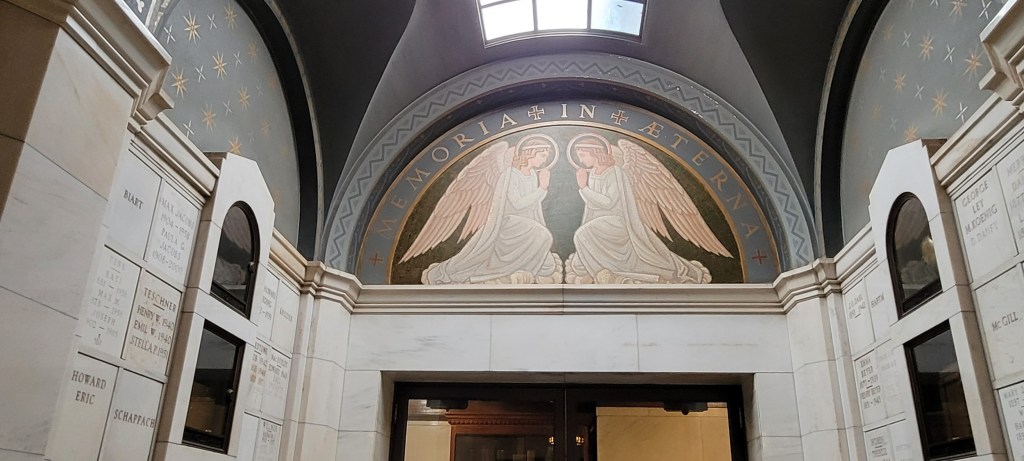
My first published cemetery article was about Ferncliff Cemetery in New York’s Westchester County. The cemetery, renowned for its vast community mausoleums filled with stained glass windows, marble corridors, and Oriental rugs. Notable individuals buried there include luminaries from the worlds of entertainment like Ed Sullivan, and entrepreneurs like Tom Carvel. However, what truly struck a chord with me was the tragic tale Judy Tyler, a 24-year-old actress with a burgeoning career, whose life, along with that of her husband Greg Lafayette, was cut short by a car accident. Tyler was cremated, and her bronze urn rests on a shelf above her husband’s crypt.
I have explored scores of cemeteries, some well-known and others tucked away in quiet corners of cities and towns. Yet, each visit reminds me that every person has a story. It’s the unexpected that often sparks my curiosity, leading to a new cemetery profile. Inspiration can come from anywhere, whether it’s the historical significance of the grounds, a unique epitaph, or a remarkable mausoleum. That’s what happened one cold January day when a flat tire diverted me into the nearest cemetery. There, I stumbled upon a recently built mausoleum, which contained a touching inscription penned by a heartbroken husband, and I knew I had found a story.
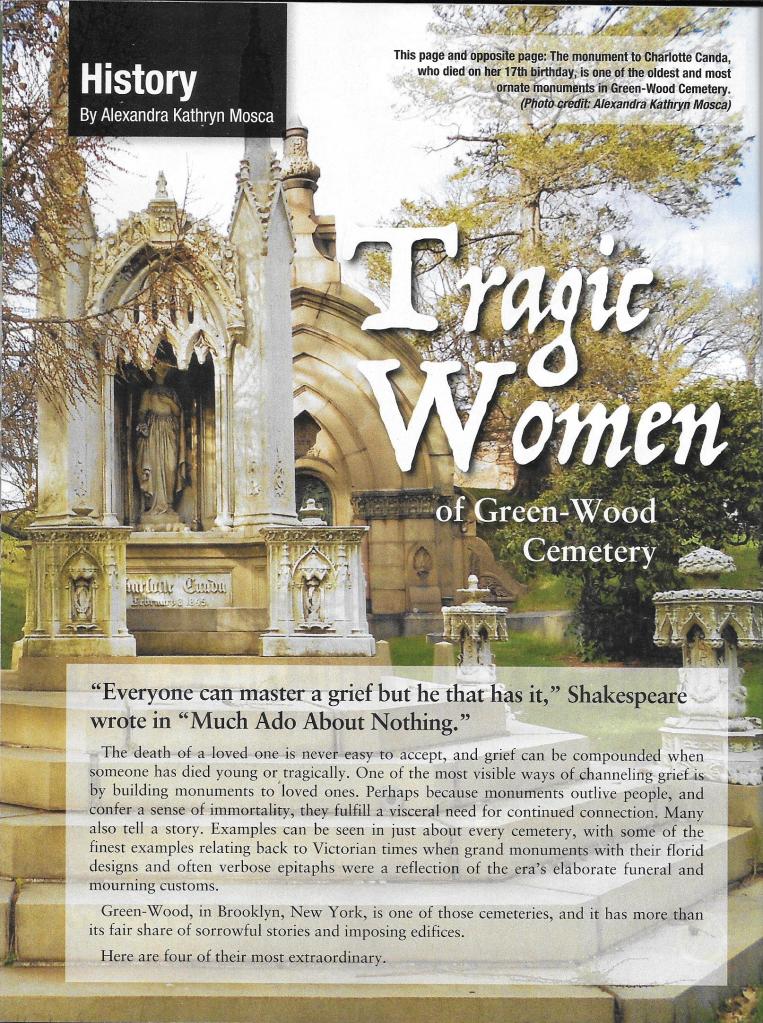
One of the cemeteries I’ve written extensively about is Brooklyn’s Green-Wood Cemetery. Established in 1838, it is one of the world’s foremost historic cemeteries and the eternal home of individuals who have left an indelible mark on history. Among them are toymaker FAO Schwarz, piano maker Henry Steinway, jeweler Charles Tiffany, lithographer’s Nathaniel Currier and Merritt Ives, and a young woman named Charlotte Canda, whose life was tragically cut short on her 17th birthday in 1845 due to a carriage accident.

Canda’s marble memorial, which features a life-size effigy of her standing beneath a marble canopy and dressed in her birthday gown, became quite a tourist attraction in the 19th century. Almost 200 years later, visitors still flock to see her captured in time.
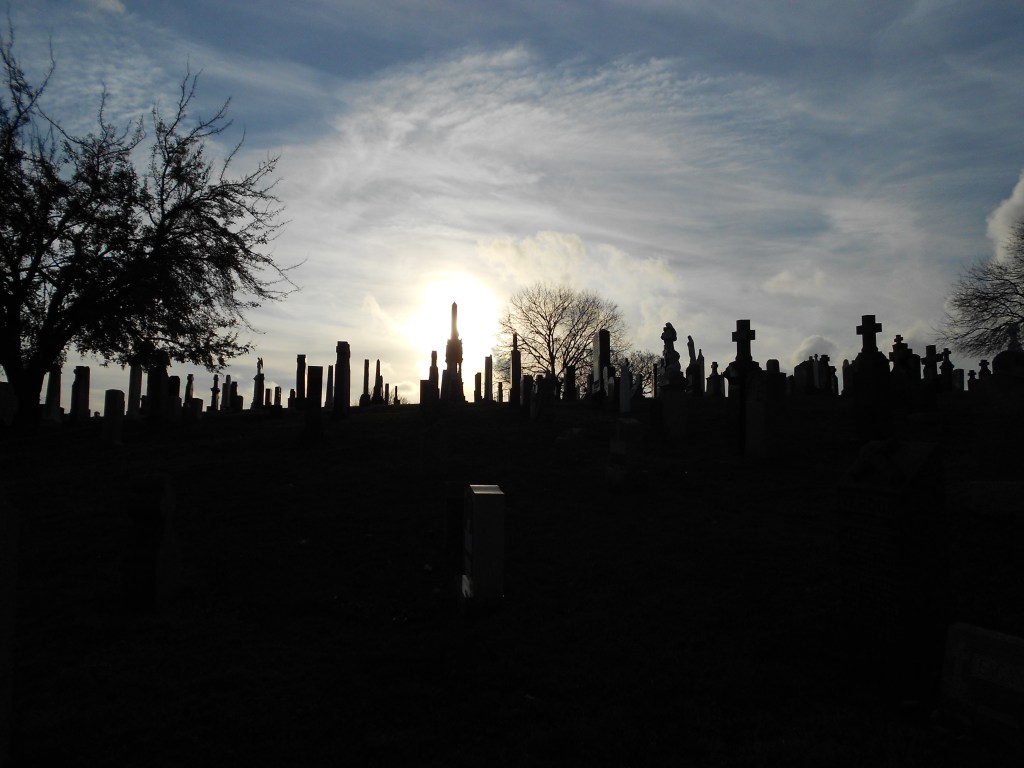
Calvary Cemetery is another perennial favorite of mine. Located in Queens, New York, it is one of the largest cemeteries in the United States. Many of those who came to America through Ellis Island are buried there. In fact, Anna Moore Schayer, the first person to pass through Ellis Island, is among the more than three million burials. Her story continues to be told, as do others of the hard-working men and women who toiled in relative obscurity
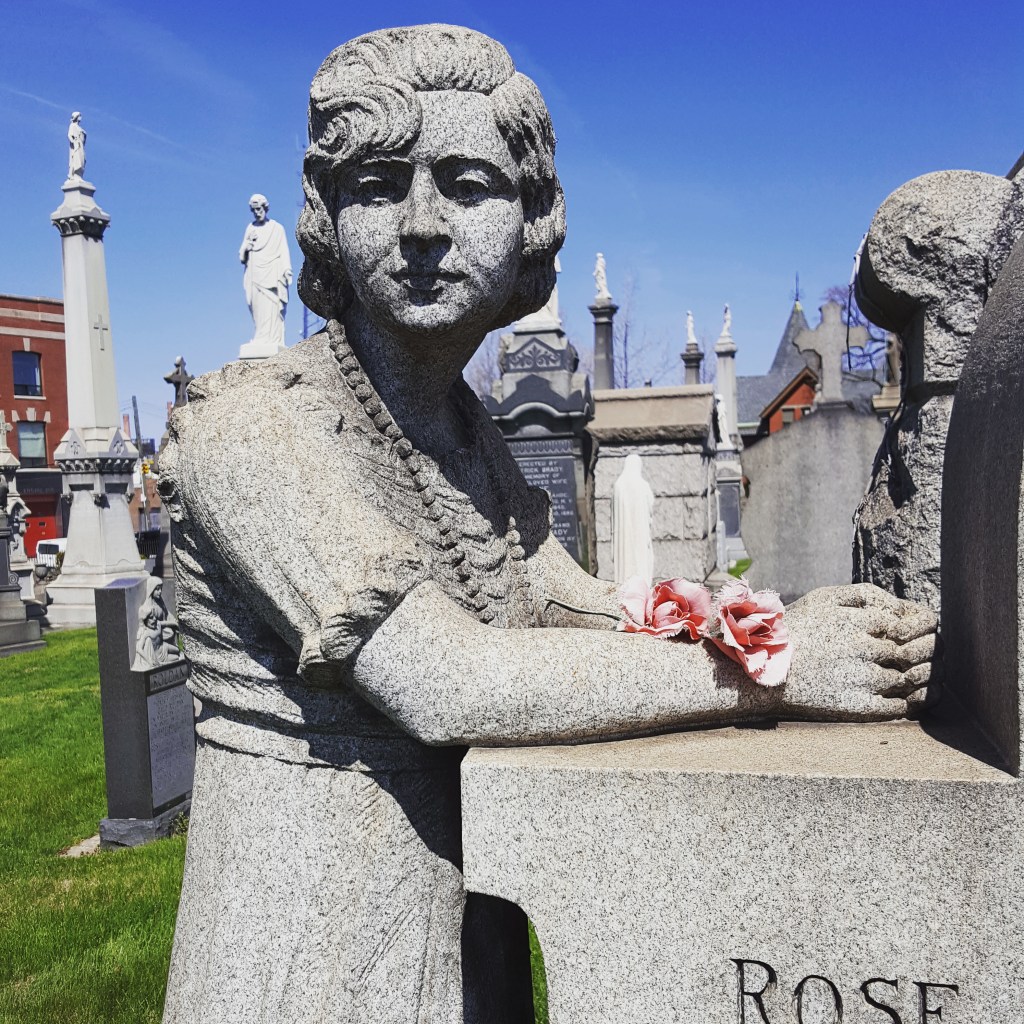
One of the most arresting sights in Calvary is the exquisitely detailed statue of 25-year-old Rose Furno. Unlike Charlotte Canda, little is known about Rose, yet as you pass by, her haunting eyes beseech you not to forget her. And, like Canda, has not been forgotten. Her grave is often visited by strangers who are curious about her life and the circumstances of her death. This underscores the significant role cemeteries play — a point that I aim to illuminate through my writing.
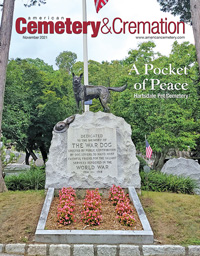
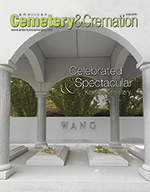

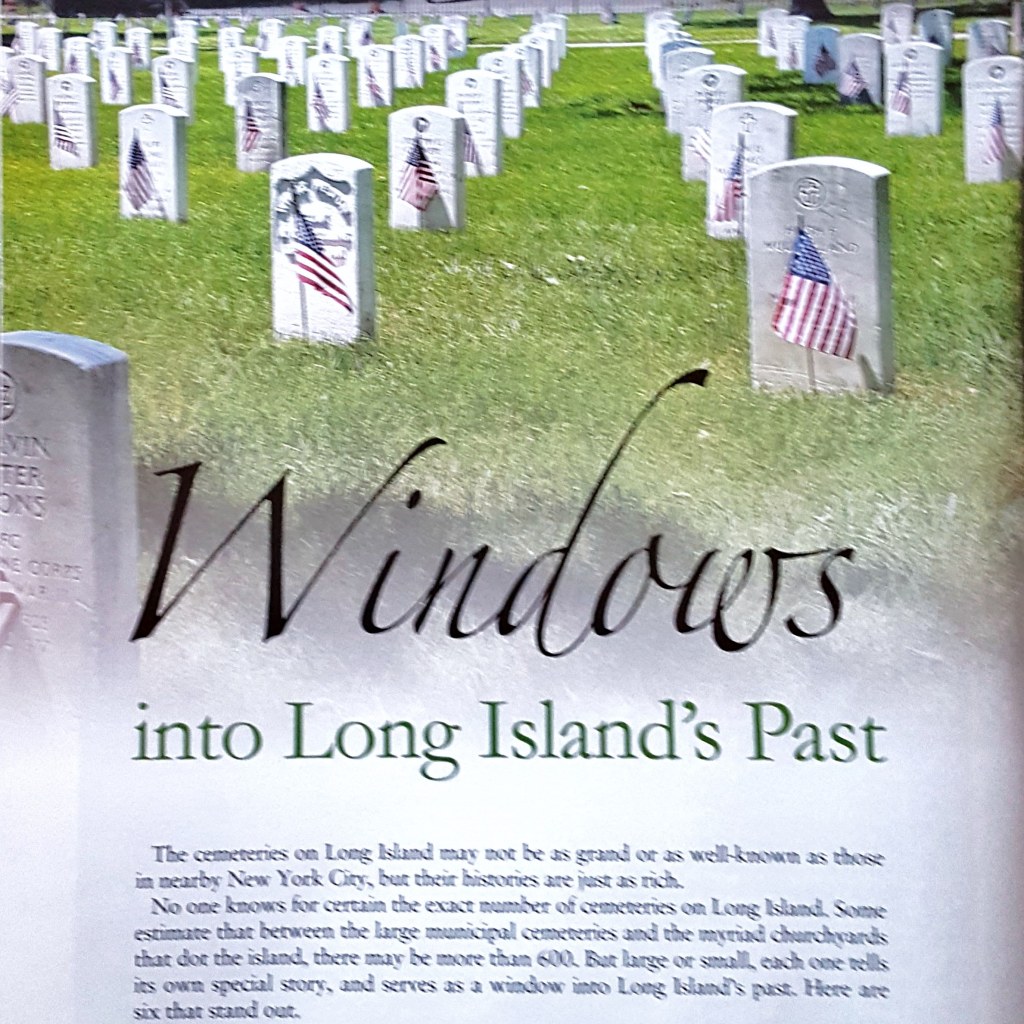
For over two decades now I have been a regular contributor to American Cemetery & Cremation magazine, chronicling my visits to some of New York’s most notable cemeteries with readers. I am also the author of two cemetery books: Green-Wood Cemetery and Gardens of Stone. In both books, I delve into the history and cultural significance of cemeteries. Through the written word, I honor the famous and the forgotten alike, ensuring their stories will be preserved for future generations. You might say that my professional life is a blend of service and storytelling.
My dual career as a funeral director and cemetery writer has given me a unique perspective on life and death, a perspective I am passionate about sharing through my writing.
 Alexandra Kathryn Mosca -- Exploring Life and Death: A Writer's Journey
Leave a comment